News, career advice
and more.

solar
event
Infocast 2026: Key trends in Renewable Energy Finance & Investment

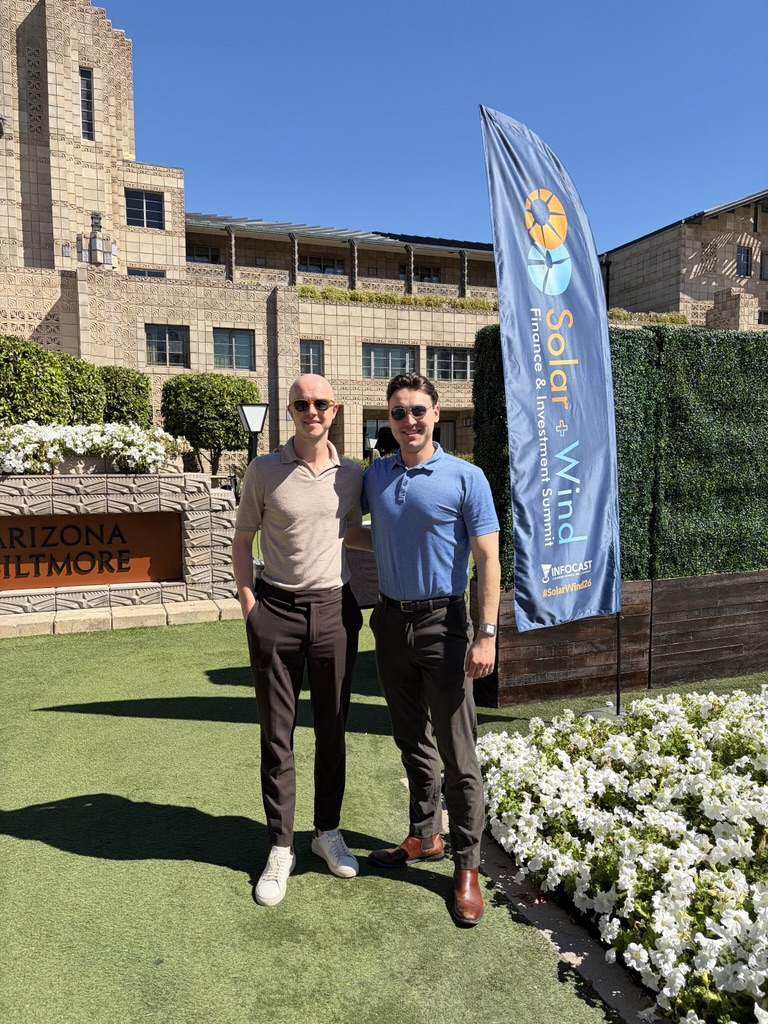
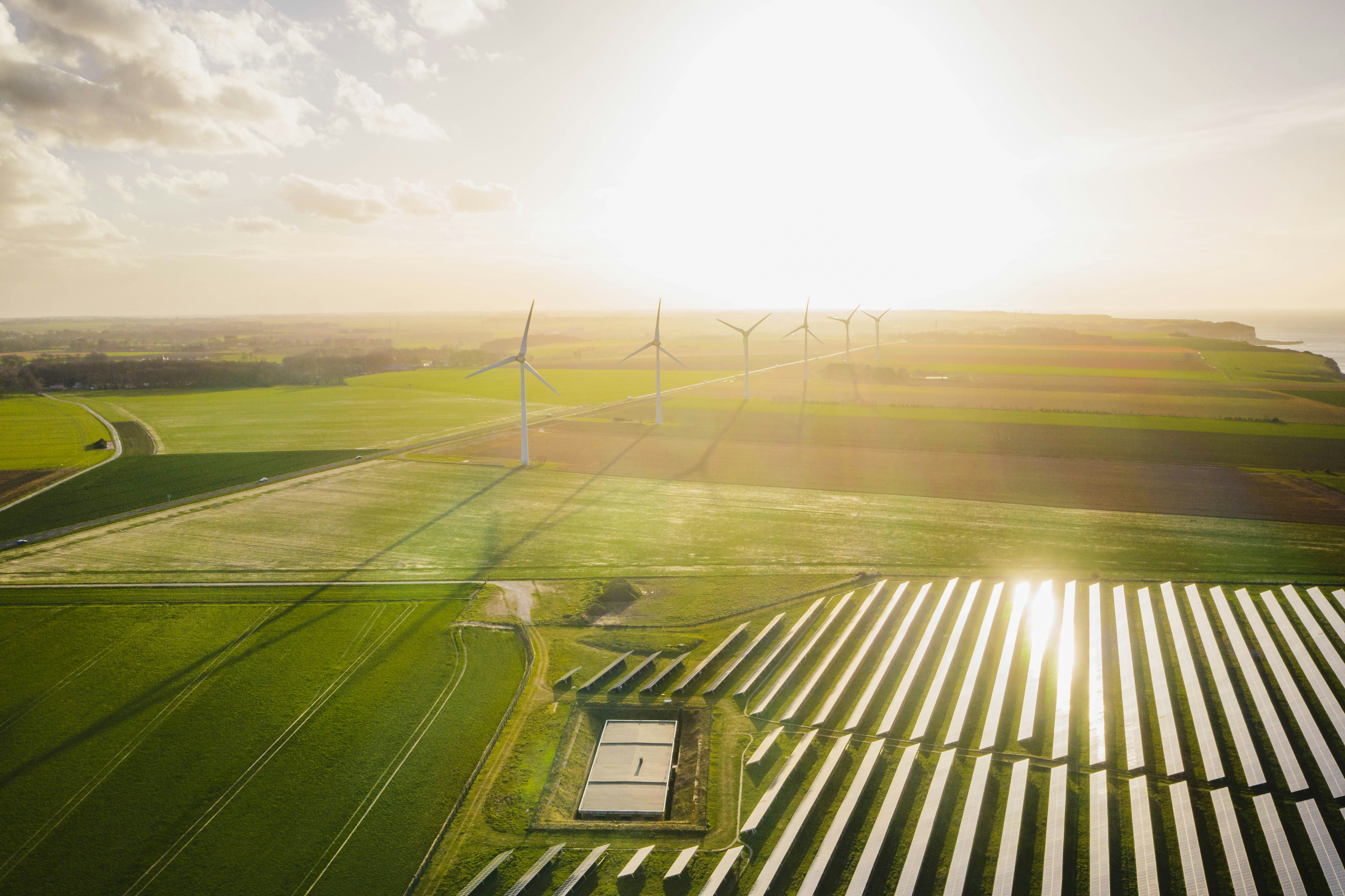
Infocast’s Solar + Wind Finance & Investment Summit once again brought the renewable energy finance community together in Phoenix, Arizona, with conversations spanning deal activity, investment strategy, and the evolving market landscape. Across the week, our consultants Thomas Cooper, Divisional Manager, and Nolan Cridge, Manager, Renewables, connected with clients and industry professionals to understand what’s really happening in the market right now. Here’s what they heard. 1. What were the main finance or investment topics people were talking about around Infocast week this year? The bulk of our conversations with new and existing clients emphasized there is still a tremendous amount of excitement and activity surrounding the renewable space. We are seeing our clients make a very strong push to secure tax equity partnerships for their existing assets, or offload via M&A projects that are earlier stage. Lots of portfolios are growing tremendously through M&A in the solar and storage space as well. 2. From the conversations you had, what are the biggest challenges currently affecting renewable energy project financing? The largest challenge seems to be from within the united states, many foreign countries are hesitant to invest within the united states due to policy changes and an uncertain investment terrain. This year is universally considered more stable, but still gives foreign entities hesitancy to put money back into US markets. 3. What trends are you seeing in the solar, wind or storage investment landscape right now? Overall it seems to continue to be business as usual, just on an accelerated timeline. That said, we had a significant amount of conversations surrounding the integration of AI to all levels of project development, project finance, and M&A transactions. This would likely lead to a downturn in junior level hiring and allow our clients to continue to get leaner. 4. From the people you spoke with, where are investors and developers seeing the biggest opportunities in the market? We are still hearing Solar and Storage as the big winners for the next few years. There are murmurs that Geothermal and Nuclear could be the next renewable assets to be heavily invested in, but there are still a significant number of hurdles to jump through here. 5. Any interesting perspectives or insights from the meetings you had that stood out? The general sentiment around the conference was very positive about the industry as a whole and where opportunity exists. Many of the hiring managers we spoke with express that hiring this year would likely be later in the summer or Q3, and those would be sparce. This year companies seem to be continuing to stay as lean as possible and any hire that is brought on is well thought out, and an extremely high priority. Across the conversations throughout the week, one thing was clear, the renewable energy market remains highly active, with strong momentum across solar, storage, and M&A. At the same time, the landscape is becoming more considered. Investment decisions are more measured, international capital remains cautious around US policy, and businesses are continuing to prioritise lean, high-impact teams. With growing interest in AI and early conversations around geothermal and nuclear, the market is evolving, not slowing. If you’re looking to understand how these trends could impact your team or hiring strategy, get in touch with the Piper Maddox team to continue the conversation.

Read more
30 Mar 2026
energy efficiency
interview
30 Mar 2026
The Clean Energy Six – Finance Edition: Tamara Bordeaux

The Clean Energy Six, Finance Edition highlights the people working behind the financial and strategic decisions shaping the energy transition. In this series, Skye Shaffer, Associate Recruitment Consultant at Piper Maddox, speaks with professionals across the renewable energy finance ecosystem to explore their career journeys, the projects that have defined them, and the opportunities they see for the future of clean energy. In this edition, we spoke with Tamara Bordeaux, a clean energy finance professional with over nine years of experience spanning financial services and renewable energy. After beginning her career at UBS, Tamara transitioned into the energy sector to pursue work more closely aligned with her passion for combating climate change. She has since built a diverse background across community solar, utility-scale development, and M&A at AES, where she worked on complex transactions and large-scale projects across the U.S. More recently, she expanded her experience into emerging technologies at Blue Energy, where she was part of the commercial team at a nuclear-focused startup, working across origination, development, and financial modeling. Now at Greenvolt Power, Tamara continues to focus on project finance and M&A, bringing a well-rounded perspective across both established and next-generation energy solutions. 1. When did you start your career in renewable energy or clean tech, and why did you get into the industry? I started my career in renewable energy in January 2021. Before that, I was working in wealth management and financial services, but I wanted to pivot into something more aligned with my interests and passions - specifically, fighting climate change. The energy industry offered a strong intersection between finance and impact, and it felt like a space where I could apply my background while contributing to something meaningful. 2. What was a pivotal moment or project that defined your path in this industry? A pivotal moment for me was working on the Belfield project, which at the time was the largest permitted solar and storage project in the U.S., at around 2 gigawatts. AES acquired it from Avantus, and I had the opportunity to work on the transaction as an associate. It was a very large, complex, and long-running deal, and it really opened my eyes to how intricate the M&A side of the renewable energy industry can be. What stood out most was the collaborative nature of the process - working closely with counterparties to solve problems together. It was also the first time I was able to build meaningful relationships with a counterparty, and it showed me how important those relationships are in getting deals done. That combination of complexity, collaboration, and relationship-building really defined my path and interest in this space. 3. What excites you most about working in renewables or clean tech today? There is a very real and growing need for power - especially zero-carbon power - in both the U.S. and globally. Renewables are one of the fastest and most proven ways to reduce carbon emissions and fight climate change, so it’s an incredibly impactful space to be in. There’s also a significant increase in demand for power driven by technological growth, including AI. What’s unique right now is that we’re still building the physical infrastructure needed to support that demand, while also benefiting from advancements in AI and software ourselves. For example, AI is helping enhance financial modeling and improve efficiency in areas like transaction document review. It feels like we’re in a position where we get the best of both worlds - building critical infrastructure while leveraging cutting-edge tools. 4. What’s the biggest challenge you’ve faced in renewable energy and what did you learn from it? One of the biggest challenges I faced was transitioning from traditional renewables - primarily solar and storage - into nuclear, specifically the small modular reactor (SMR) space. While there were transferable skills, nuclear presents a very different set of challenges. In solar and storage, processes are well established and costs continue to come down. With nuclear, particularly new nuclear development, it’s more like rebuilding an industry from the ground up in the U.S. There are challenges around developing supply chains, advancing new technologies, and working on much longer timelines - often into the 2030s. It also requires navigating significant policy and regulatory dependencies. This experience pushed me to think more long-term, approach problems more creatively, and become comfortable working in areas with less precedent. It was both challenging and incredibly rewarding. 5. Looking 5–10 years ahead, where do you see the biggest opportunities for growth in renewable energy? One of the biggest opportunities is improving transmission infrastructure and the interconnection process in the U.S. Upgrading the grid will be critical to enabling more projects to come online efficiently. I also see strong potential in co-located solutions - bringing power generation closer to where it’s consumed, such as near data centers. As demand for energy continues to rise, proximity to load will become increasingly important. Overall, I don’t think it’s about one technology winning out - we’ll need a mix of solar, storage, wind, nuclear, and geothermal to meet demand. The real opportunity lies in how we build, connect, and optimize across all of these. 6. If someone wanted to break into renewable energy finance, what’s the one piece of advice you’d give? Be willing to take on any role to get your foot in the door - even if it means taking a step back in title or seniority. That’s what I did, and I have no regrets. Renewable energy is very much a learn-by-doing industry. While coursework and reading are helpful, the most valuable experience comes from working on real projects. I’d also emphasize the importance of networking. It’s a relatively small industry, and people are generally approachable. Building connections can go a long way in opening doors and helping you navigate your career. Tamara’s career reflects the evolving nature of the clean energy landscape - from established renewable technologies to emerging solutions like nuclear. With experience across large-scale transactions, development, and startup environments, she brings a well-rounded perspective on where the industry is today and where it’s headed. As demand for clean, reliable power continues to grow, her insights highlight both the challenges and the significant opportunities ahead.

16 Mar 2026
energy efficiency
interview
16 Mar 2026
The Clean Energy Six – Finance Edition: Samuel Woo

The Clean Energy Six, Finance Edition highlights the people working behind the financial and strategic decisions shaping the energy transition. In this series, Skye Shaffer, Associate Recruitment Consultant at Piper Maddox, speaks with professionals across the renewable energy finance ecosystem to explore their career journeys, the projects that have defined them, and the opportunities they see for the future of clean energy. Our first guest is Samuel Woo, Senior Analyst, Investment Analytics at Cypress Creek Renewables. After serving as a Marine Corps officer overseas, Sam transitioned into renewable energy in 2022. Today, he focuses on evaluating and modelling renewable energy projects, helping ensure that the infrastructure being built today is both economically viable and designed to power homes and businesses for decades to come. When did you start your career in renewable energy or clean tech, and why did you get into the industry? I started my transition to clean energy in 2022. I was a Marine Corps officer at the time and was deployed in Syria in 2021 for about eight months supporting Operation Inherent Resolve, NATO’s mission to counter ISIS in Iraq and Syria. I was operating out of a region known for a lot of oil extraction. The oil industry is a key part of that region’s economy, and seeing the fossil fuel industry up close - seeing the physical consequences of it - had a pivotal impact on me as I was figuring out my next professional steps. At the same time, the Inflation Reduction Act was heavily in the news. Seeing the impact up close and hearing about the momentum happening in clean energy kind of lined up. I wanted to take the skills I learned in the Marine Corps and apply them to energy security, which I thought was really important. Clean energy appealed to me because while every energy source has pros and cons, it wasn’t as pollutant as fossil fuels. So it was a combination of energy security and building something long-term that I felt was a net positive to the world. What was a pivotal moment or project that defined your path in this industry? One pivotal moment was driving through the region in Syria and seeing the pollution related to oil fields - waterways glistening with oil runoff, smoke in the air, fires tied to extraction. That definitely impacted me. From a more recent perspective, I helped model four projects that we bid into an RFP with a major utility, and they were shortlisted. That was exciting because it’s the closest I’ve gotten to getting projects built. Modeling those four projects and getting them close to offtake reaffirmed why I’m in the industry - building long-term sustainable infrastructure that will last decades. What excites you most about working in renewable or clean tech today? It’s knowing I get to play a part in building infrastructure that will last decades - powering homes and businesses. Every project that moves toward COD or offtake is another step toward building resilient, diverse energy systems. As energy demand increases, it’s good to know that part of our infrastructure is based on renewable, clean energy. What is the biggest challenge you’ve faced in the renewable energy space, and what did you learn from it? The biggest challenge was recommending the termination of a project for the first time. A big part of my job is evaluating project-level economics to make sure a project makes financial sense. Terminating a project was tough because we join this industry to build renewable projects - not cancel them. But I learned that we can’t build projects randomly. There has to be strategy behind it. It has to make sense for the customer and for the company. If projects don’t make economic sense, they can raise energy prices or hurt the company long-term, which limits our ability to build more projects. So I learned to understand the macro-level economics of each project and how it impacts the grid. It’s great to build, but we have to build responsibly and feasibly. Looking ahead 5–10 years, where do you see the biggest opportunities for growth in renewable energy? I think it’s finding ways to adapt and meet customer needs. Market signals show we need firm, reliable energy. One solution is long-duration energy storage, and currently battery energy storage systems (BESS). Being creative and innovative to meet market needs is exciting. Long-duration energy storage is the most exciting area for me right now. More broadly, it’s about adapting to emerging technologies and building firm, reliable energy solutions. If someone wanted to break into the space, what is the one piece of advice you would give them? Learn as much as possible about project-level economics. That includes how projects make money - PPAs, offtake contracts, revenue, expenses, capex, and opex. Also understand capital structures because they’re complex and getting more complex. That means understanding tax equity structures, debt structures, and traditional project finance. Understanding revenue drivers, cost structures, tax equity, and debt are the fundamentals of every project. Huge thank you to Sam for taking the time to share his story and perspective. From serving overseas to now working on the financial and strategic side of renewable energy projects, his path is a reminder that this industry is built by people with very different backgrounds, all working toward something long-term. Thoughtful, disciplined development is just as important as ambition in this space, and Sam brings both. We are xcited to see the projects he helps bring to life in the years ahead!

19 Jan 2026
press release
19 Jan 2026
Celebrating 10 Years of Piper Maddox

A decade of purpose, growth and impact in clean energy talent This year marks ten years of Piper Maddox, one of LHi Group’s fastest growing specialist brands, built with a clear purpose, to support the global clean energy transition and help protect the future of our planet through exceptional talent solutions.Founded in 2015 by Alex Cohen under the LHi Group, Piper Maddox was created with a belief that recruitment could be more than a commercial service, it could be a platform for positive change. From the outset, the brand committed fully to renewable energy and cleantech, stepping away from fossil fuels entirely and aligning its growth with the industries actively decarbonising the world. Over the past decade, Piper Maddox has become a trusted partner to some of the world’s most innovative clean energy organisations across the US and Europe, helping them build the teams shaping how energy is generated, stored and consumed. Its rapid growth reflects not only market demand, but the strength of its mission, culture and people, proof that purpose-led businesses scale with impact. At its core, Piper Maddox is driven by the belief that recruitment can be a force for good, contributing to a cleaner, more sustainable future, one hire, one partnership and one business at a time. From Vision to Global Brand As the energy sector began shifting towards renewables, it became clear that traditional recruitment models were struggling to keep pace with the urgency of change. The clean energy transition demanded specialist knowledge, speed and long-term thinking, not legacy approaches. Recognising this opportunity, Alex Cohen and LHi Group Founder, Tom Glanfield aligned on a shared ambition to build a recruitment brand dedicated entirely to clean energy and sustainability. Combining entrepreneurial platform, leadership and a strong cultural foundation, Piper Maddox was born as a values-led business designed to create long-term impact. From those early beginnings, the brand has expanded rapidly across Europe and North America, building leadership teams united by a shared purpose to accelerate the energy transition and support companies working to decarbonise the planet. “The success of Piper Maddox reflects what’s possible when purpose, people and platform align. It’s been incredible to watch the brand grow into a true global leader in clean energy and cleantech recruitment.” ~ Alex Cohen, US Brand Leader Specialist Expertise at Scale Today, Piper Maddox is home to more than 80 specialist consultants delivering talent solutions across: Renewable Energy Energy Storage eMobility Clean Fuels Nuclear Power Energy Trading Sustainability Energy Management and Grid Resiliency Sustainable Aviation Operating with a specialist, quality-first mindset, the brand combines deep market expertise, proactive headhunting and extensive global networks to deliver consistently high-quality outcomes for clients operating in highly competitive markets. With offices in New York, Los Angeles, Austin, Miami, London, Bristol, Berlin and Munich, Piper Maddox provides global reach supported by strong local market expertise across North America and Europe, including the UK, DACH, Benelux and Southern Europe. Evolving into a Talent Solutions Partner In line with LHi Group’s wider evolution, Piper Maddox has grown beyond traditional recruitment into a full talent solutions partner, supporting clients at every stage of scale and maturity through: Permanent and contract recruitment Executive search Subscription hiring models Embedded talent solutions Consulting services through Expert Project Solutions (XPS) This integrated approach enables clients to scale efficiently while maintaining quality, consistency and long-term workforce planning. “Over the past decade, Piper Maddox has matured into a true strategic partner for our clients. The next phase is about continuing to innovate and scaling our impact globally.” ~ Tom Clarke, UK & Europe Brand Leader Looking Ahead: Building a Lasting Legacy As Piper Maddox celebrates its ten-year anniversary, the brand continues to play a critical role in supporting the organisations building a cleaner, more resilient energy future. As one of LHi Group’s fastest growing brands, its success reflects the power of aligning commercial performance with meaningful purpose. By supporting companies whose missions centre on decarbonisation, sustainability and innovation, Piper Maddox is helping shape the legacy LHi aims to leave, protecting the future, enabling progress and proving that business can be a force for positive change. Interested in partnering with Piper Maddox?👉 Discover how their talent solutions can support your organisation’s growth by emailing info@pipermaddox.com Thinking about joining the journey?👉 Explore current opportunities across the Piper Maddox brand and become part of a business making real-world impact. Click here!

30 Oct 2025
sustainability
event
30 Oct 2025
Empowering women in Clean Energy: Piper Maddox at the WRISE women in leadership breakfast

Last week, some of our Piper Maddox team had the honor of speaking at the WRISE Women in Leadership Breakfast in San Francisco - an event that brings together industry leaders and innovators from across the renewable energy and clean tech sectors. In this conversation, Imogen Simpkin, Ella Slinn, Megan Drake, and Charlotte Fagan reflect on their experience, share insights from their talk, and discuss the evolving role of women in the industry, the importance of collaboration, and how initiatives like Piper Maddox’s iAM Program are helping to empower the next generation of female leaders in energy and sustainability. 1.What was it like speaking at the WRISE Women in Leadership Breakfast in San Francisco? It was an absolute honor to speak at the event and share insights on the emerging trends shaping the Renewable Energy and Clean Tech sectors. Engaging in meaningful discussions with such accomplished and inspiring women across the industry made the experience truly rewarding. 2. What message did you hope to share with attendees during your talk? My goal was to emphasize that while the industry is undergoing significant change, with change comes opportunity. I wanted to provide a transparent perspective on the current market landscape, particularly around new roles and hiring trends within the Renewable Energy and Clean Tech sectors. 3. From your perspective, how have you seen the role of women evolve within the renewable energy and sustainability sectors? Over the past several years, I’ve seen the role of women in the renewable energy and sustainability sectors evolve from being underrepresented voices to becoming key decision-makers and innovators shaping the direction of the industry. There’s been a noticeable increase in women stepping into leadership, technical, and policy roles, driving both inclusion and impact. While there’s still progress to be made, the growing visibility and influence of women are helping to redefine what leadership looks like across the clean energy landscape. 4. What advice would you give to organisations looking to attract and retain more female leaders in the energy space? Attracting and retaining female leaders starts with creating a culture where diverse perspectives are genuinely valued. Organizations should prioritize equitable hiring practices, transparent career pathways, and flexible work models that support balance. Just as importantly, investing in mentorship, leadership development, and visible role models helps women see a long-term future in the industry. Inclusion shouldn’t be an initiative, it should be built into the company’s DNA. This is one of the reasons we launched the iAM Program to provide not only development but also retention opportunities across the board. 5. How does collaboration across the industry, between companies, networks, and individuals, help accelerate progress for women in leadership? Collaboration is essential to creating lasting change. When companies, networks, and individuals share knowledge, opportunities, and best practices, it amplifies visibility and access for women across the sector. Industry-wide partnerships and mentorship networks help break down silos, build confidence, and open doors to leadership pathways that might not exist within a single organization. Collective action is what turns progress into momentum. 6. Why do you think events like the WRISE breakfast are important for empowering women and building community within the sector? Events like the WRISE Breakfast create a valuable space for women to connect, share experiences, and engage in conversations that might not always happen within their own organizations. These opportunities for networking and collaboration foster personal and professional growth, ultimately strengthening both individual careers and the broader clean energy community. 7. What advice would you give to women at earlier stages of their careers who aspire to leadership roles in sustainability and energy? Be curious, build your network, and don’t be afraid to take risks and ask questions. Seek mentors who inspire you and advocate for your growth, but also invest in mentoring others along the way. The energy and sustainability sectors are evolving rapidly—so embrace learning, stay adaptable, and trust that your perspective adds real value. Leadership isn’t a destination; it’s built through consistency, confidence, and connection. 8. Looking ahead, what excites you most about the future of women’s leadership and the role Piper Maddox can play in supporting that? I’m inspired by the growing visibility and influence of women across the energy and sustainability sectors. The pace of industry change is creating new opportunities for leadership at all levels, and I'm excited to see the role that Piper Maddox can play by connecting talent, fostering development, and championing diverse voices. Supporting women to step into these roles through the iAM Program, not only strengthens the industry but also helps shape a more inclusive and innovative future. At Piper Maddox, we’re proud to be part of the conversation driving equity and empowerment in clean energy. Through initiatives like the iAM Program and partnerships with networks such as WRISE, we remain committed to building a future where diverse leadership thrives and innovation knows no boundaries.

18 Sept 2025
sustainability
insight
18 Sept 2025
Clearing the Way for a Cleaner Future: World Cleanup Day 2025

At Piper Maddox, we believe building a cleaner energy future goes hand in hand with protecting the environment around us. Recruitment may be our business, but our responsibility extends further, to the communities we live in and the planet we all share. That’s why World Cleanup Day is so important to us. Taking place on Saturday, it’s a global movement that unites millions of volunteers, governments, and organisations across 190+ countries in a single mission: to clean up litter, restore nature, and protect our environment. It proves that small actions, when multiplied across communities, can have a global impact. World Cleanup Day 2025: Tackling Textile and Fashion Waste This year, the focus is on textile and fashion waste, one of the fastest-growing environmental challenges. According to UN-Habitat, every second a garbage truck full of clothes is dumped in a landfill or burned. The fashion industry generates 92 million tonnes of textile waste each year, overwhelming waste systems, polluting waterways, and fuelling the climate crisis. World Cleanup Day 2025 highlights the urgent need to raise awareness, change consumption habits, strengthen waste management systems, and build policies and partnerships that advance circularity and urban resilience. A global effort, and how you can be part of it Beyond clearing waste from rivers, coastlines, city streets, and green spaces, World Cleanup Day sparks vital conversations about overconsumption, fast fashion, and the systemic changes needed to build more sustainable economies. For us at Piper Maddox, it’s a reminder that sustainability is also about protecting ecosystems, reducing waste, and rethinking how industries, like fashion, can shift toward cleaner futures. Whether you join an organised cleanup, repurpose or recycle clothing, or simply make more conscious fashion choices, every action counts. Together, we can reduce the strain on ecosystems, support biodiversity, and move toward a world where sustainability is woven into every industry. Learn more about World Cleanup Day and how you can get involved here: www.worldcleanupday.org

09 Sept 2025
e mobility
spotlight
09 Sept 2025
World EV Day 2025: Can infrastructure keep up with EV growth?

World EV Day, held each year on 9 September, is a global celebration of electric mobility, raising awareness of the benefits of EVs and the progress being made towards a cleaner transport future. This year, the conversation is louder than ever. In 2025, electric vehicles (EVs) have reached a tipping point, making up one in five cars sold worldwide, a milestone worth celebrating, but also a moment to pause and ask a critical question: as adoption accelerates, can infrastructure keep up? To explore this, we spoke with Alisha Michaels, Principal Consultant with a focus on E-Mobility, who partners with companies and talent across the EV ecosystem every day. The acceleration of EV adoption According to the International Energy Agency (IEA), global EV sales passed 14 million in 2023, a 35% increase year-on-year that underlined the pace of change across the transport sector. That momentum has continued, with EVs expected to reach over 20% of new car sales worldwide in 2025, firmly establishing electric mobility as a mainstream choice rather than a niche alternative. This growth, however, is uneven across regions. According to the IEA, China continues to dominate, accounting for more than 60% of global EV sales, supported by strong domestic manufacturing and government incentives. Europe remains a major force, with almost one in four new cars now electric, while in the United States, adoption has doubled since 2021, with EVs making up around 10% of sales today. Together, these regions are reshaping the automotive landscape and accelerating the global transition to clean mobility. But as adoption accelerates, the pressure on infrastructure is becoming impossible to ignore. By the end of 2023, there were just over 3 million public charging points worldwide, a figure that the IEA warns must quadruple by 2035 if it is to keep pace with consumer demand. What was once framed as “range anxiety”, concerns about how far an EV could travel on a single charge, has now evolved into “charging anxiety”, where drivers worry less about battery life and more about whether charging points will be available when they are needed. As Alisha observes, “range anxiety is still a real thing, with a barrier to convenient and reliable charging infrastructure, especially in more rural areas. L3 chargers are being deployed more rapidly, but integration with the grid is still a challenge.” Innovation needs people to power it Solutions are already emerging. Smarter charging networks are balancing demand, vehicle-to-grid (V2G) technology is showing how EVs can double up as mobile batteries, and new methods are making charging faster and easier than ever. These innovations prove that EVs are changing how we generate, store, and use energy. But delivering these systems depends on people, and the right skills are in high demand. As Alisha explains: “On the engineering side, anyone who has a combination of software, hardware and grid integration experience, plus exposure to AI. For sales folks, Account Managers with strong L2 and L3 backgrounds that can sell into utilities. There’s also been a massive uptake in construction-centric roles with hardware developers and charging network operators.” Looking ahead World EV Day 2025 is a moment to celebrate progress while keeping sight of the challenges still ahead. EVs are no longer a future technology, they’re here and they’re growing fast. The real test now lies in whether the infrastructure can scale quickly enough to keep momentum. For companies building that infrastructure, Alisha emphasises that customer experience must come first: “Convenience and reliability are factors that either make or break a company in the EV infrastructure space. Customers want app integration, real-time availability updates and an easy payment experience. Infrastructure also needs to be scalable and future-proof, with higher voltage charging, V2G capabilities and smart grid integration built in from the start.” The next chapter of this transition won’t be defined by vehicles alone, but by the systems that power them, and the people who make those systems a reality. At Piper Maddox, we’re proud to connect world-changing companies with the talent they need, helping close the gap between adoption and infrastructure and moving the world closer to a cleaner, more sustainable future.

18 Aug 2025
energy efficiency
event
18 Aug 2025
VPPs are ready to step up – but the market needs to catch up

Last week, we hosted a roundtable at Piper Maddox as part of the Clean Energy Exchange event series, focused on grid flexibility. With Michael Lee moderating, we had folks from Tesla, Leap, Olivine, Enersponse, Shadowpower, and others who know this space inside out. The feeling in the (virtual) room? We’re at a real tipping point. Virtual Power Plants aren’t just “emergency response” tools anymore, they’re critical infrastructure, and the market conditions are lining up perfectly for them to step up. Capacity prices are through the roof, wholesale markets are volatile, and demand is growing in ways the old models can’t handle. This is exactly when VPPs should be at the forefront of conversations: fast to deploy, low-cost, and able to deliver flexibility exactly where it’s needed. 1. The market design problem The problem is the market design hasn’t caught up. We’re still stuck with siloed programs that box in assets instead of letting them work where they have the most impact. We need models that open up multiple revenue streams and recognise that not all VPP resources are the same – an HVAC system doesn’t behave like an EV fleet or a battery, and they shouldn’t be valued like they do. One point that landed hard in the discussion was around local value. The way we price flexibility right now is far too broad. A single neighbourhood with a cluster of flexible assets can fix a local constraint far more cheaply than building more infrastructure – but you’d never know that from today’s pricing zones. We need distribution-level nodal pricing that actually reflects the hyper-local impact these assets can have. 2. Balancing grid and customer needs Then there’s the customer side. Batteries are the classic example – the grid wants certainty, customers want backup. If programs can’t balance those needs, participation will always be limited. With over 3,500 utilities in the US, capability is all over the place. Some are ready to play, others are decades behind. Meeting them where they are, or going around them when we have to – will be key. That means understanding the realities of each market, working with what’s already in place, and finding ways to connect customers and utilities without overcomplicating the participation process. 3. The missing industry voice The final piece is advocacy. Right now, there’s no unified industry voice pushing for fair valuation or smarter market rules. Imagine what we could do with a coalition of VPP providers, utilities, generators, and even data centres speaking with one voice. The narrative on grid reliability needs a rewrite – and the proof these assets deliver is already there from recent heatwaves and grid events. If we want VPPs to fulfil their potential, we need to align as an industry, decide what we’re pushing for, and make sure the message is loud enough to cut through. Bottom line: VPPs aren’t the future – they’re here. But without changes to market design, pricing, and the way we advocate for them, they’ll stay underused. Get it right, and they can become the backbone of a more flexible, reliable, and cost-effective grid.

04 Aug 2025
press release
04 Aug 2025
Next chapter for our parent company, LHi Group, with appointment of co-CEOs Mike Bott and Ben Richardson

Our parent company, LHi Group, has today announced a significant leadership transition as Jim Denning steps down from his role as CEO. In a bold move rarely seen in recruitment, the Board has appointed Mike Bott and Ben Richardson as co-CEOs to lead the business into its next chapter. Following five impactful years at the helm, Denning will be taking on a new position within the Group as Executive Director, where he’ll focus on developing future leadership talent – reinforcing LHi’s long-term commitment to investing in its people. “I’ve loved my time as LHi CEO,” said Denning. “I’m incredibly proud of the culture we've built together and I’m hopeful that I have left behind a legacy with the LHi Vision and our internal philosophies – stuff which I believe will outlive us all! I’m very excited to now be doing something that I have been passionate about for a long time, chasing my ‘future you’ by stepping into a new role that allows me to focus on the next generation of leaders who, I believe, will take LHi to even greater heights. I am incredibly proud to hand the reigns over to Ben and Mike, great humans who own two of the best stories of what’s possible in recruitment. I am certain they will take us to a level that I couldn’t even dream of!” The co-CEO structure isn’t a common move within the recruitment industry but was a decision that the Board felt was unequivocally right for LHi’s future growth plans. Speaking on the new leadership structure, Chairman, James Ash said “We know that in the right circumstances and with the right leaders, the co-CEO model works incredibly well. This model allows us to achieve so much more, to focus equally on building and innovating; to better navigate the complexities of the market and a fast-changing industry; and to more effectively operate on a global scale, from Germany to California. In Ben and Mike, we have two people who are willing to be selfless, put their egos aside, and care more about the success of the business than themselves. From joining as consultants to now becoming co-CEOs, I think you’d be hard pushed to find two people more committed to LHi and our vision.” Both Mike Bott and Ben Richardson are longstanding leaders at LHi, having both started their recruitment careers within the Group. Over the years, they’ve held a range of senior positions and played instrumental roles in launching and scaling operations across the UK, Europe and US, including opening and leading multiple international offices. Mike Bott, formerly Chief Commercial Officer, was one of LHi’s first consultants, joining the company over 17 years ago. He said “We’ve always been a business that bets on it’s people. I’ve had an incredible 17 and a half years of adventures with LHi and I’m extremely proud to now be leading the company alongside Ben. Our partnership works because we challenge each other, have total trust in each other, complement each other, and always put what the business needs before anything else. We are ready for the next adventure and the exciting times ahead.” Ben Richardson, formerly Chief Operating Officer, added “This is more than a title change, it’s a continuation of a shared journey. Mike and I have grown through every level of LHi, and we’re aligned on the vision and values that will take us into the next chapter. We're focused on building an agile, forward-thinking organisation that remains fiercely people-led.” The co-CEO model is becoming increasingly recognised for its effectiveness. A recent Harvard Business Review study of 87 companies with co-CEOs found they delivered an average annual shareholder return of 9.5%, compared to 6.9% for single-CEO firms. Nearly 60% of co-CEO-led companies outperformed their benchmarks, indicating the model’s power to enhance value through shared leadership. Not forgetting Netflix's co-CEO model which appears to be hugely successful, and largely credited to the complementary skill sets of Ted Sarandos and Greg Peters. It’s former CEO Reed Hastings said of Peters and Sarandos “Twice the heart, double the ability to please members and accelerate growth.” With Mike Bott based in the UK and Ben Richardson in the US, the duo will bring a global perspective and round-the-clock leadership coverage. Their complementary strengths, strategic commercial growth, and operational excellence create a leadership balance that reflects LHi’s commitment to innovation, diversity of thought, and employee wellbeing. Bott and Richardson are set to lead in a time when many recruitment firms are facing headwinds in the post-2022 landscape, however, LHi Group has recorded a positive year so far. On the three-year anniversary of launching its Employee Ownership Trust (EOT), LHi Group announced the successful completion of a capital raise, repaying 80% of capital owed to loan note holders well ahead of industry benchmarks - marking a significant financial and cultural milestone for the business. With the investment in to leadership training, continued plans for international growth and a new offering from their consultancy brand XPS launched this month, LHi Group’s 25-26 plans look to be an exciting start for the new co-CEOs. About LHi Group LHi Group is the parent company of five specialist, non-competing recruitment brands operating across the UK, Europe and USA.

23 Jun 2025
energy storage
insight
23 Jun 2025
Spotlight on Women Engineering the Energy Transition

The clean energy sector thrives on innovation and progress. Every breakthrough in renewables, storage, and sustainable infrastructure depends on those willing to challenge the status quo. As engineers lead the charge toward a net-zero future, it’s critical to recognise the women helping to shape that future, solving complex problems, designing smarter systems, and accelerating real-world change. This International Women in Engineering Day, we’re celebrating the women building the energy transition from the ground up, and highlighting why diverse talent is essential to engineering a better tomorrow. Why Gender Diversity in Engineering Matters A truly sustainable energy system is one designed for everyone, and that starts with the people designing it. Gender-diverse teams bring broader perspectives, improve problem-solving, and help create systems that are more inclusive, resilient, and effective. Still, women remain underrepresented in engineering. Globally, they make up just 16.9% of the UK’s engineering workforce. Leadership roles are even more imbalanced. Closing this gap is vital, as more inclusion means greater innovation. Breaking Barriers: Spotlight on Lacey Collins To mark International Women in Engineering Day, we spoke with Lacey Collins, Divisional Manager of Renewable Fuels, Bioenergy & CCUS at Piper Maddox in New York, to gain her perspective on the barriers women face in technical sectors, and why visibility is essential for progress. Lacey highlights the ongoing barriers women encounter in technical and male-dominated sectors. “The main barriers we see are a lack of representation or role models,” she explains. “It’s difficult for the first woman to pave the path for those behind her.” She also notes that caregiving responsibilities often create added pressures, especially in roles with long hours, inflexible work environments, or limited support systems. For Lacey, spotlighting women in energy and engineering is essential to breaking those barriers. “When women see others succeeding in these spaces, it breaks down stereotypes and shows that we all belong,” she says. She believes visibility isn’t just about recognition, it’s about making space for new perspectives and leadership styles that are vital to a more inclusive, balanced workforce. Supporting Women in Clean Energy and Engineering Careers At Piper Maddox, we’re proud to work alongside the women who are engineering the future of clean energy. From renewable fuels to grid infrastructure and beyond, progress depends on diverse talent, equitable opportunities, and inclusive workplace cultures. We’re committed to connecting forward-thinking organisations with the professionals driving that change.

Looking for your next role? Or your next hire?

Search our latest jobs now or get in touch to talk hiring solutions.

circle 1
circle 2